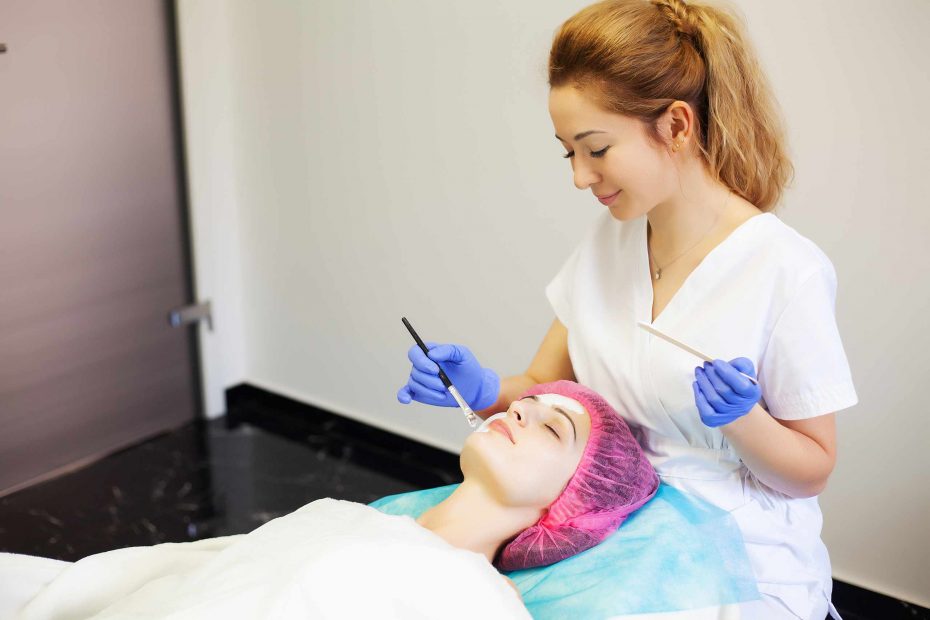
An exfoliating cosmetic product can give a beginner the impression that their skincare routine has become more advanced, but they should not choose one faster than they are willing to wait for it. Labels often feature terms like enzyme exfoliant, smoothing, brightening, resurfacing, or peeling that might sound easy to use. In actuality, the decision to use an exfoliant is more cautious because the skin barrier could already be compromised due to dryness, sensitivity, redness, switching out skincare products, or using too many cleansers.
Before using an exfoliating cosmetic product, assess the condition of the skin before considering other options. Are there visible flakes, tautness, heat, or irritation? Did you recently use a physical exfoliant, stronger active ingredient or skincare product, and more serums? After the gentlest cleanse, is the skin comfortable, or is it tight and sensitive to touch? All of these issues are vital for beginners because exfoliation is not necessarily the step they should add because their complexion appears uneven. For some beginners, it is better to not add another step right now, to simply increase hydration, and to track their routine.
It is also important to look at the product information. An enzyme exfoliant, an acid exfoliant, an exfoliating peel-off mask, or a physical cleanser are different in how they act on the skin. Some products are left on, some have to be rinsed, and some are easy to apply too often despite the fact that it feels gentle at first. Look at what product category, when to use it, how to remove it, and any other cautions or directions on the product label. If you find the directions to be unclear, it is not a reason to experiment, but rather to delay trying that product.
It is also helpful to practice examining exfoliant products without applying them to the face. Put a small sample on a plate or on the back of your hand and take a look at it. Are you feeling something grainy, a gel, cream, liquid, or a peel-off mask? Does it rub out easily? If you remove it, how much do you need to rub to get it off? Practicing how the texture feels on a small sample surface can train hands on how to avoid a rubbing or harsher movement before touching the face.
When exfoliation is being introduced, it can lead many beginning routines to feel like they are overloading if it is added on top of other steps. If you decide to use a product that contains exfoliant, do not use any other more abrasive steps in that session. Do not layer on any other rubbing, a clay mask on the whole face for a full minute, more serums than usual, or use multiple cleanses. Use a clean application tool, a small amount, and keep the time short and the removal easy. Afterward, apply the most basic and straightforward moisturizer. It is easier to add more to that layer after the fact.
During or immediately after application, comfort is more important than getting an even complexion. Tingles, warmth, dryness, sharp sensations, or more red than normal is not an indication that the product is performing well. When in cosmetology school, students are not taught that any kind of cosmetic care is a medical treatment so it is important to understand that this should not be the cause of concern or speculation. If the skin is inflamed, uncomfortable, broken or beyond simple cosmetic care then the best solution would be to visit a professional rather than trying another exfoliant.
The best indication of success in a beginner’s use of an exfoliant is that they chose not to do that at all. A beginner is learning more when they understand when to hold off than they are when they have used every one of their exfoliating products in one session. Check the skin and label, time your product, prepare the cotton pads or washcloth you will use for rinsing off, then wait for the results. It is not a matter of how much the skin can take today, but of whether the product is needed, gentle and easily removed.